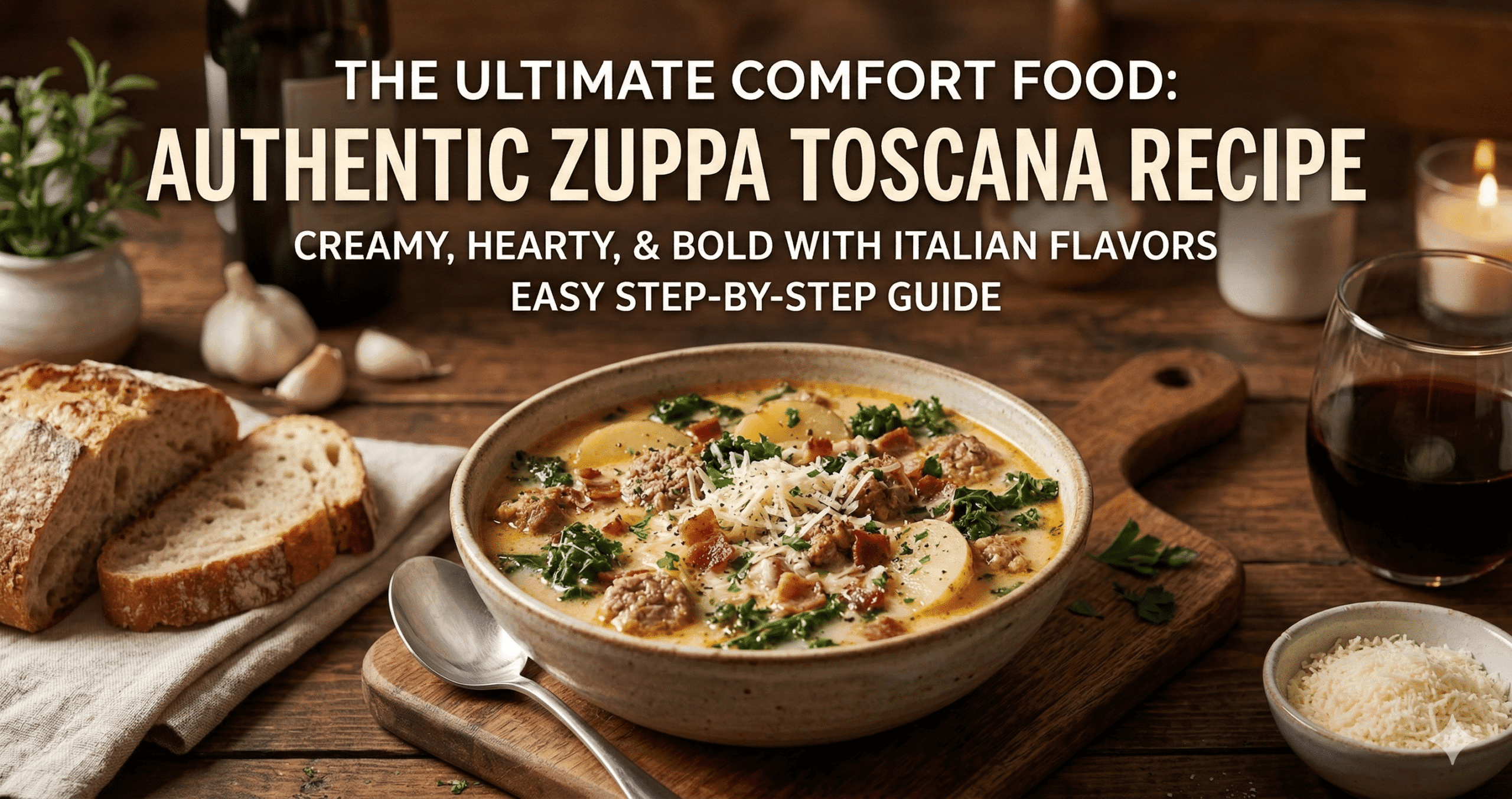
If you’re craving a hearty, soul-warming bowl of authentic Zuppa Toscana recipe that transports you straight to the rolling hills of Tuscany, look no further. Unlike the creamy, sausage-packed version popularized by American chain restaurants, the true Zuppa Toscana is a humble “farmer’s soup” rooted in Italian peasant cuisine. This rustic dish, brimming with beans, greens, and stale bread, embodies the essence of Tuscan simplicity—nutritious, flavorful, and made with pantry staples.
In this guide, we’ll dive into the original Zuppa Toscana recipe from Pellegrino Artusi’s 1891 cookbook La Scienza in Cucina e l’Arte di Mangiar Bene, the bible of Italian home cooking. Artusi, a 19th-century food writer, described it as a soup sure to delight “even gentlemen” when prepared with care. Whether you’re a fan of traditional Italian soups or seeking an easy, vegan-friendly alternative to modern adaptations, this authentic Tuscan soup is perfect for chilly evenings. Let’s get cooking!
What Is Zuppa Toscana? A Quick History
Zuppa Toscana, translating simply to “Tuscan soup,” is part of a broader family of zuppe—thick, bread-based soups that differ from thinner minestre. Originating in Tuscany’s rural kitchens, these dishes were born from necessity, using day-old bread to stretch ingredients like beans and seasonal greens.
The authentic Zuppa Toscana recipe hails from Artusi’s era, where it featured cannellini beans, hearty cabbages, and a touch of cured meat for umami. No cream, no potatoes in the classic sense (though one is added here), and definitely no Italian sausage—those are hallmarks of the Olive Garden-inspired copycat that’s taken the U.S. by storm. Today, while the Americanized version reigns supreme in searches for “Zuppa Toscana,” purists swear by this bean-forward original for its earthy depth and versatility. It’s gluten-free adaptable (skip the bread) and naturally vegan if you omit the ham rinds.
Fun fact: Artusi’s recipe serves six and shines both hot and cold, making it ideal for meal prep or potlucks. Ready to recreate Tuscany in your kitchen? Here’s what you’ll need.
Ingredients for Authentic Zuppa Toscana (Serves 6)
This easy Zuppa Toscana recipe uses straightforward, wholesome ingredients. Prep time: 15 minutes (plus overnight bean soak). Cook time: 1.5 hours. Total: About 2 hours.
| Ingredient | Quantity | Notes |
|---|---|---|
| Dry cannellini beans (or white beans) | 300g (about 1.5 cups) | Soak overnight for creaminess; canned works in a pinch but rinse well. |
| Stale bread (Tuscan-style, crusty) | 400g (about 8-10 slices) | Day-old is key— it thickens the soup without sogginess. |
| Extra virgin olive oil | 150ml (about 2/3 cup) | Use a good Tuscan variety for fruity notes. |
| Water or vegetable broth | 2 liters (8 cups) | Broth adds depth; start with water and adjust. |
| Savoy cabbage | Half a medium head (about 300g) | Chopped; provides mild sweetness. |
| Black cabbage (cavolo nero or kale) | 300g or more | Tuscan kale’s earthy bite is traditional. |
| Swiss chard | 1 bunch (about 200g) | Stems included for texture. |
| Potato | 1 medium | Peeled and chunked; adds subtle starch. |
| Ham rinds or bacon strips (optional) | A few pieces | For smoky flavor; omit for vegan. |
| Onion | 1/4 large | For the soffritto base. |
| Garlic cloves | 2 | Minced. |
| Celery stalks | 2 | Chopped fine. |
| Fresh parsley | A good pinch | Chopped. |
| Thyme | A little (1 tsp dried) | Fresh sprigs if available. |
| Tomato paste | 1-2 tbsp | For acidity and color. |
| Salt and black pepper | To taste | Freshly ground pepper is essential. |
Pro tip: For SEO-savvy home cooks searching “authentic Tuscan soup ingredients,” note that substitutions like spinach for chard keep it flexible without losing authenticity.
Step-by-Step Instructions: How to Make Zuppa Toscana
Follow these steps for a foolproof authentic Zuppa Toscana recipe. It’s forgiving—stir often and taste as you go.
Step 1: Soak and Cook the Beans
- Rinse the dry beans and soak them in cold water for 12 hours (overnight). Drain.
- In a large pot, cover beans with fresh cold water (about 1 liter). Add the ham rinds if using.
- Bring to a boil, then simmer for 1-1.5 hours until tender. Reserve the cooking liquid (broth)—it’s gold! Drain the beans, but keep 1/4 of them whole for texture.
Step 2: Prepare the Soffritto and Greens
- While beans cook, make the flavor base: Finely chop 1/4 onion, 2 garlic cloves, 2 celery stalks, and parsley.
- In a large skillet or Dutch oven, heat half the olive oil (about 75ml) over medium. Add the soffritto mix and sauté until golden (5-7 minutes). Don’t rush—browned bits build flavor.
- Stir in chopped Savoy cabbage, black cabbage, chard, and potato chunks. Season with salt, pepper, and thyme. Cook for 10 minutes until greens wilt.
Step 3: Build the Soup
- Add 1-2 tbsp tomato paste to the greens; stir for 1 minute to caramelize.
- Pour in about 1 liter of bean broth (or water). If too thick, add more. Simmer 20-30 minutes until veggies are soft.
- Mash or blend 3/4 of the cooked beans into a puree (use an immersion blender or food processor). Stir this back into the pot with the whole beans and rinds.
- Combine everything: Add the pureed beans to the greens pot. Simmer 10 more minutes. Taste and adjust seasoning—more oil for richness, pepper for bite.
Step 4: Assemble and Rest
- Slice stale bread thinly and layer it in a large serving bowl or individual ones.
- Ladle the hot soup over the bread. Drizzle with remaining olive oil.
- Cover and let rest 20 minutes. The bread will absorb the broth, creating that signature zuppa thickness.
Serve with raw onion rings on the side for a peppery crunch, as Artusi suggested. Buon appetito!
Tips for the Perfect Authentic Zuppa Toscana
- Make it Vegan: Skip the ham rinds and use veggie broth. It’s naturally plant-based otherwise.
- Storage and Reheating: Keeps in the fridge for 3-4 days. Reheat gently; it thickens overnight—add broth if needed. Freezes well for up to 3 months.
- Variations: Artusi’s grandma added zucchini or carrots, but keep it simple. For a modern twist, incorporate a handful of barley for heartiness, echoing Tuscan legume soups.
- Pairing Ideas: Rustic Chianti wine or crusty bread (beyond the soup!). It’s a full meal.
- Common Mistakes to Avoid: Overcooking greens (they turn mushy) or skimping on oil—it’s the soul of Tuscan cooking.
Nutrition per serving (approx.): 350 calories, 15g protein, 45g carbs, 12g fat. High in fiber from beans and vitamins from greens— a superfood in disguise!
Authentic Zuppa Toscana vs. Olive Garden Copycat: What’s the Difference?
Curious about the hype? The U.S. “Zuppa Toscana” swaps beans for potatoes and sausage, adding cream for decadence. It’s delicious but leans Italian-American. If you love that style, try our easy copycat Zuppa Toscana recipe next. For purists, stick to this traditional version—it’s lighter, greener, and oh-so-satisfying.
FAQ: Your Zuppa Toscana Questions Answered
Is Zuppa Toscana gluten-free?
Yes, if you omit the bread. Use gluten-free alternatives for serving.
Can I use canned beans for this authentic recipe?
Absolutely, but simmer briefly to avoid mushiness. Drain and rinse first.
What’s the best bread for Zuppa Toscana?
Stale Tuscan pane sciocco (saltless bread) is ideal, but any crusty sourdough works.
How spicy is authentic Zuppa Toscana?
Mild, with optional pepper. No heat like some modern recipes.
Wrap-Up: Savor the Flavors of Tuscany at Home
This authentic Zuppa Toscana recipe isn’t just soup—it’s a love letter to Tuscan heritage, proving that simple ingredients yield profound taste. Whip it up this weekend and channel Nonna’s kitchen. Have you tried the traditional version? Share your tweaks in the comments below—we’d love to hear!
Pin this for later, and explore more Italian classics like ribollita soup or pappa al pomodoro. Hungry for more? Subscribe to our newsletter for weekly Tuscan soup inspiration. Cook on!
*Recipe adapted from Pellegrino Artusi’s *La Scienza in Cucina. Images and content for educational purposes.